


Maree Spratt on how girlhood is having a moment
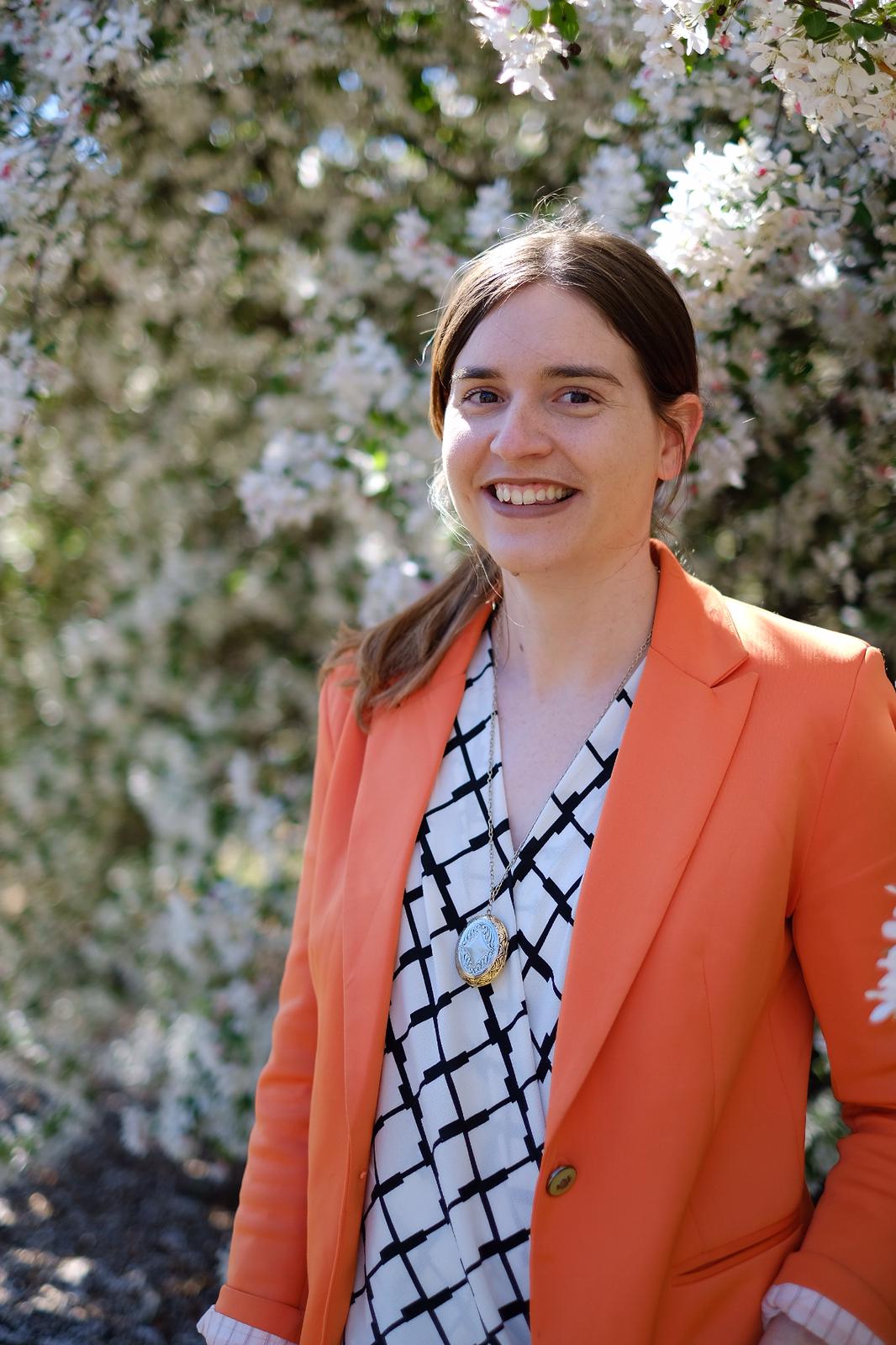
Read a piece from The Followers author Maree Spratt on girlhood.

Girlhood is having a moment. For several years now, pop-culture and social media have romanticised the emotions and aesthetics of being a girl. I have not been immune to the trend: I wore my loudest hot pink outfit to see the Barbie movie in 2023, and the following year, I sang along loudly to ‘Love Story’ at the Eras tour concert in Melbourne with a beaded friendship bracelet gifted by one of my childhood besties on my wrist.
I am not a girl – I am a woman in her thirties – but of course, the promise of the trend is that being a girl does not have to end. And this is partly true: the earlier, girlier iteration of myself has not been wholly extinguished. Inside of me there is someone carefree and whimsical enough to eat a ‘girl dinner’ on a week-night should she feel like it, even if, in my present reality, I’m preoccupied with making nutritionally-balanced baby dinners and then cleaning them up off the floor.
Although it feels good to look at girlhood through a lens of pure, joyful nostalgia, it isn’t realistic to do so. Every woman knows that there is a dark side to growing up female. The truth of the real girlhood experience lies somewhere between My Little Pony and Stephen King’s Carrie. For the last fifteen years – so most of my adult life – I’ve been working on a novel that I hope provides a truthful, nuanced depiction of girlhood.
Most of The Followers takes place in the early 2000s, when my characters are preteen girls. It follows a toxic, darkly enthralling friendship between Lacey – who grows up to be a successful lifestyle influencer – and Teresa, her very first ‘follower.’ When sharing the premise of my book with others over the years, I’ve had to emphasise that it’s not a story for children. Oftentimes they’ve not seemed convinced. I do understand their confusion– after all, in our culture, if you want to dismiss someone, you describe them as behaving like a 12-year-old girl.
Happily, if anybody really wanted to argue over the question of audience, I could bring up Cat’s Eye by Margaret Atwood. When I first read this novel, I was stunned by its visceral, unsentimental portrayal of friendship between schoolgirls in the 1940s and 50s. I told myself that if a serious author like Margaret Atwood could treat the small, painful grievances of girlhood – like feeling excluded by your friends – as fodder for an adult novel, then they had to be important, worthy topics. I wrote a quote from Cat’s Eye on a post-it and kept it near my keyboard: ‘Little girls are cute and small only to adults. To one another they are not cute. They are life-sized.’
If little girls are life-sized, then their feelings are bigger still. It’s hard to think of an age when we are more vulnerable to hurt, more desperate for approval, and more uncomfortable in our skin, than that age between ten and thirteen. I’d also argue that this is the age when we are most liable to inflict hurt on others. When my characters are still in primary school, they behave in ways that are diabolic, and only just forgivable because of their youth. Childhood is not a garden of innocence, but a keenly felt, exquisitely complicated phase of life that nobody fully recovers from – so it makes sense to revisit it in adulthood via fiction.
Coming-of-age as a girl in the 2000s was a particularly fraught experience. Misogyny was in the water. Body-shaming could be found in print magazines and live on national television. The non-fiction book Girl on Girl by Sophie Gilbert, which released in 2025, provides a harrowing account of all the ways popular culture in the 2000s treated women with cruelty and disdain. It was difficult – indeed, impossible – to grow up around these values about women and not internalise some of them. Although most of Gilbert’s examples of misogyny were from the UK and US, I couldn’t help but think of uniquely Australian moments as I read her book, like Paulini being told to cover-up her ‘tuckshop mum arms’ on Australian Idol, or the way our first female Prime Minister was mocked in the media for her physical appearance in the early 2010s. “Popular culture isn’t an innocuous force” Gilbert writes. “We don’t go through adolescence—watching scenes and reading books and hearing jokes and listening to all kinds of dialogue—while wearing an invisible force field that bounces bad ideas away.’
When I look at my characters in The Followers, I see girls shaped by a culture that was casually hateful towards women; a culture that taught them to despise themselves and their peers. The hardest sections to write and edit were those that involved fatphobia and appearance-based bullying. Something in me recoiled every time they looked at another girl their age and felt disgust. But to quote from Girl on Girl again, "the history of misogyny is defined by expressions of repulsion towards women and their bodies." Adopting the girls’ way of looking at each other was not comfortable, but I knew that it was real.
Although Lacey is described as a ‘mean girl’ in the book’s blurb, she and Teresa routinely identify as ‘good girls’ and ‘nice girls’ within its pages. This is, of course, deeply ironic. But as a culture we like to flatten women into stereotypes, and this is the binary available to schoolgirls: you are nice, or you mean.
Of course, real people are more complicated than that. Lacey and Teresa aren’t made of sugar and spice and all things nice, but they aren’t pure evil either. They aren’t good girls and they aren’t mean girls. They’re just girls. And they’re life-sized, like the rest of us.
The Followers by Maree Spratt is available now in paperback, ebook and audio.

The Followers
by Maree Spratt
The Followers is a sharp debut that explores themes of peer pressure, girlhood, identity, social capital, and how schoolyard dynamics translate to social media.
Comments