


Emma Hardy is not hysterical and not imagining it
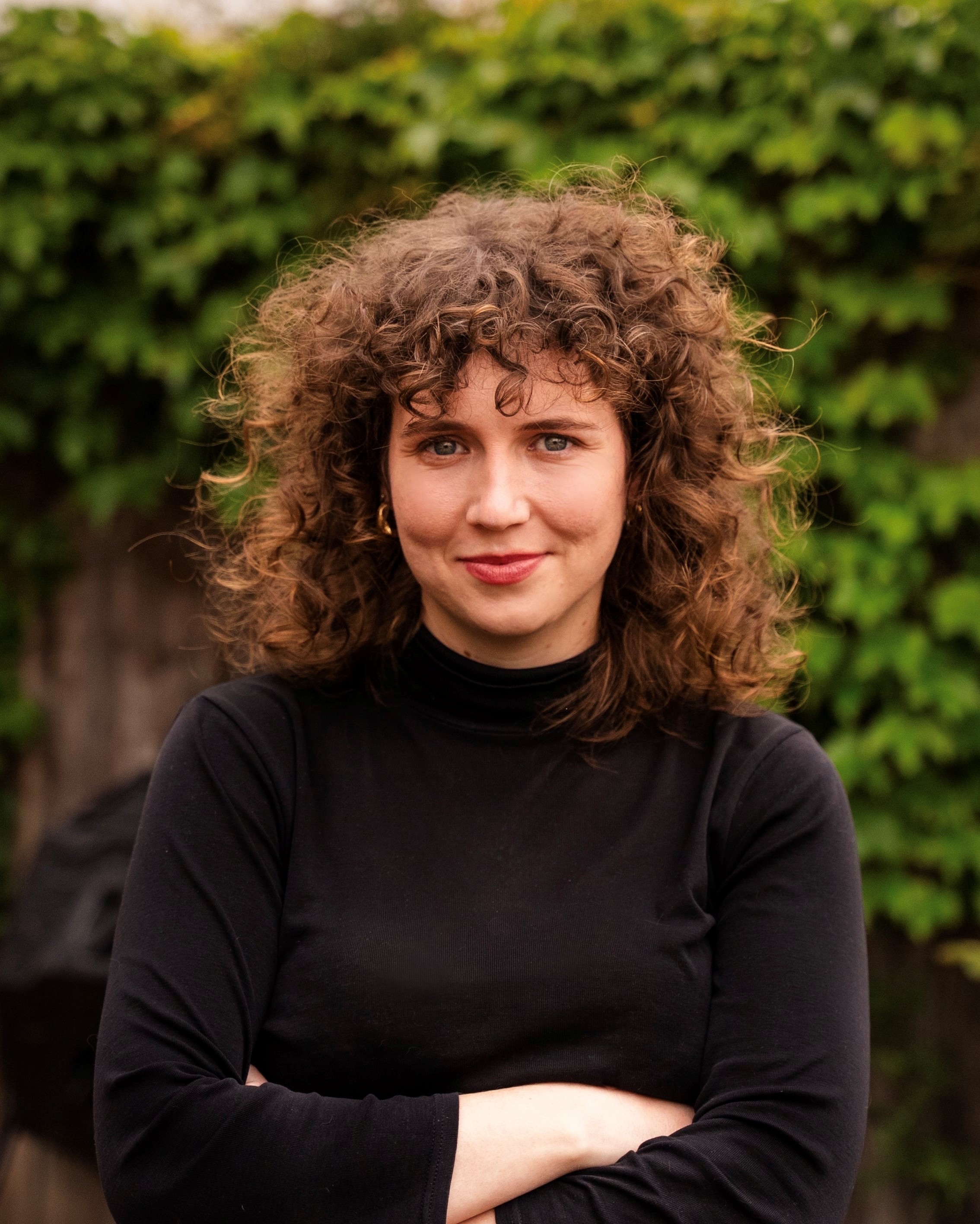
Read a piece written by Periodic Bitch author Emma Hardy.

While I was researching my book Periodic Bitch, I became obsessed with the stories we tell ourselves about illness: where they come from, who they serve, and how deeply they shape the way we live. Lately, I’ve been circling one question in particular: why do we so often dismiss personal narratives, especially those written by women, as indulgent or self-absorbed?
There’s a familiar double bind at play. Writers are told to write what they know, to draw from personal experience. But when women write their own lives, those same stories are suddenly trivialised. They’re branded as navel-gazing or narcissistic. It’s a contradiction designed to keep certain voices small. And yet, personal stories are never just personal. They are cultural, political, historic. Personal stories reveal the frameworks we’ve inherited about what is acceptable, what is pathological, and what is simply human.
I’m thinking about this tension as it relates to illness narratives, too. When I was diagnosed with premenstrual dysphoric disorder (PMDD), I couldn’t quite believe it was real. PMDD is often described as an extreme form of PMS, but that shorthand barely scratches the surface. It can bring intense emotional distress—depression, irritability, even suicidal thoughts—in the days leading up to a period. People with PMDD feel irrational, volatile, out of control.
At the time of my diagnosis, I felt all of those things. I met every symptom. But I was conflicted. Wasn’t there a lot to be angry about? A lot to feel overwhelmed by? Why, when viewed through a medical lens, a diagnostic criteria, did my emotions suddenly become irrational? I couldn’t tell whether my feelings were too much, or whether I lived in a society that expected me to make myself small.
That binary sat heavily with me. My illness was, in many ways, making me feel “crazy”. But I felt crazy in ways that echoed the exact stereotypes women have been fighting against for centuries. It felt absurdly circular. Cyclical. Was there something wrong with me? Or was I being told I was wrong for not behaving the way I was expected to?
Historically, women’s pain has been dismissed, minimised, or reinterpreted as emotional instability. The days of hysteria and wandering wombs still cast a long shadow. Even today, women are more likely to have their physical pain downplayed or misdiagnosed. Their symptoms are more readily attributed to stress or emotion. The result is a culture where women learn, consciously or not, to doubt their own experiences.
I want out of that culture. And I believe that the way out is through listening to, and valuing, the stories of women. We need to stop dismissing their rage as irrational, and believe that their pain is real.
While writing this book, it struck me that we contain room for multiple truths. PMDD is real. It is a serious condition that affects brain chemistry and emotional regulation. But it is also true that the way we interpret and experience that condition is shaped by cultural narratives. Especially narratives about gender.
For centuries, those gendered narratives have both pathologised and silenced women’s experiences. They’ve told us that our pain is exaggerated, our anger unwarranted, our emotions unreliable. So when an illness like PMDD enters the picture, it doesn’t exist in a vacuum. It collides with all the stories we’ve already internalised.
Writing about PMDD forced me to confront those stories head-on. I worried about being reduced to a stereotype. I worried that I would be seen as the “period girl,” a single-issue identity in a world that doesn’t always allow for nuance. But I also realised that telling these stories matters precisely because they are complicated. Because they resist easy categorisation. Because they are personal, political, messy and true.
I want to tell myself new stories. I want to imagine new worlds: A world where rest is valued, where emotional fluctuation is understood rather than feared. Where women’s experiences are valued, and their stories are told. Perhaps our schedules are ruled by monthly rhythms instead of nine-to-fives. In that world, perhaps my anger wouldn’t feel so alien. Perhaps it would be recognised as a response, not a failure.
Writing this book has helped me understand not just the biology of PMDD, but the cultural lens through which I had been viewing myself. It’s not just about managing symptoms. It’s about rewriting the stories I tell myself. Stories about bodies, emotions and, ultimately, writing myself a place in the world.
Periodic Bitch is available now from your book retailer of choice.

Periodic Bitch
by Emma Hardy
A memoir of menstruation, madness and monsters.
Comments