


Anna Whateley on writing Tearing Myself Together
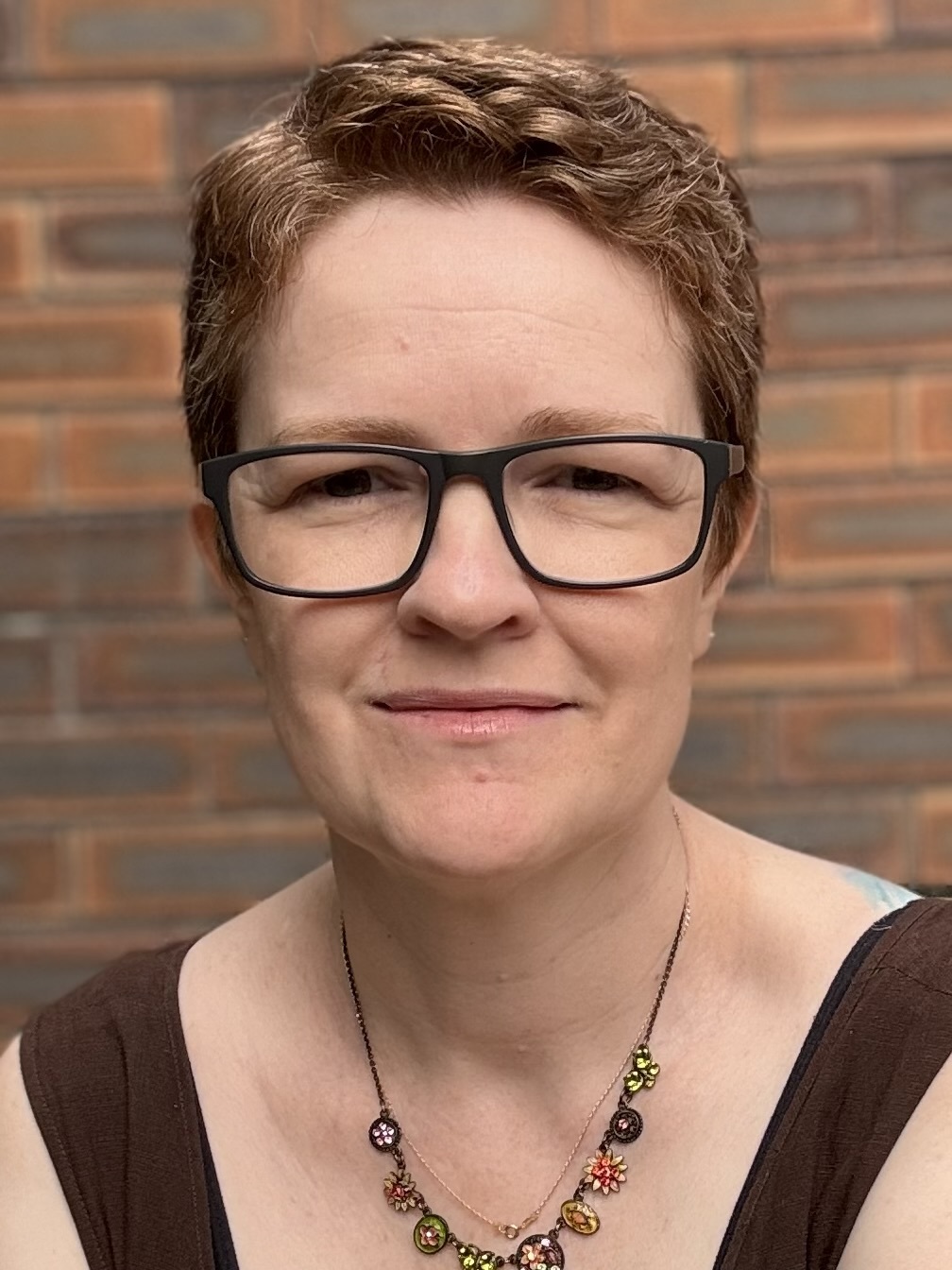
Read a piece penned by author Anna Whateley about her latest novel Tearing Myself Together.

As a teenager, I read Judy Blume’s Deenie, and for the first time I saw a body like mine reflected in a story. Deenie thought her life was over because she needed a back brace, but she still made new friendships and a touch of romance. Her diagnosis didn’t erase the possibility of connection, and I held tight to hope. Around the time my first novel was published, a geneticist diagnosed me with the connective tissue disorder, Ehlers Danlos Syndrome (EDS). I wanted to capture that feeling of hope from Deenie by writing a character with EDS, her friendships, and a touch of romance. I knew it was a lot for her to be autistic, ADHD, disabled, and queer. But the chances of such overlaps are high, and they reflect my personal experience. Where Peta Lyre’s Rating Normal asks what it means to unmask and accept neurodivergence, Tearing Myself Together moves deeper into the body.
Hilzy emerged as Peta’s opposite: outgoing, impulsive, and bubbly. When injury interrupts her final year of school, she’s faced with the uncomfortable truth that her ex-best friend, Imogen, is also the only person who truly knows what it’s like to be caught in the medical system. Imogen embodies a much quieter and reserved form of neurodivergence, and I wanted to show there’s no ‘one kind’ of ADHD or autistic person. Just as importantly, we don’t all receive the same support. Their tumultuous friendship exposes every raw edge that comes from living a disabled life. Imogen is scarred by numerous skin cancer removals, and awaiting another. My dermatologist was helpful with the technicalities of her situation while he removed cancer after cancer over the years I spent drafting the book.
EDS is receiving increased attention through social media, and while the focus is often on hypermobility, it affects every system of the body. From poor healing to fatigue, it was important to me that Hilzy show the widespread implications of faulty collagen production and the cascade one injury can cause. Her body has always been an inconvenience or medical problem to solve, and she’s likely dealing with medical trauma. And yet, there is the same excitement when she stumbles into a new romance as any teenager feels. Consent is not straightforward when there has been a lack of autonomy, and it’s vital we open a space to talk about the difficulties faced by disabled people in claiming their own bodies.
Writing Hilzy and Imogen’s friendship and disabilities was both cathartic and confronting. They allowed me to ask the questions I couldn’t face in real life. At one point, I had to stop writing because I couldn’t separate my own medical trauma from Hilzy’s. I was actually tearing myself apart and putting myself back together again. When I finally returned to the manuscript, it felt like she’d been waiting, stubbornly, arms crossed, demanding her story be finished. Hilzy claims her story, her body, her friendships, and her joy, on her own terms. Writing her story helped me do the same. I hope Tearing Myself Together reminds readers that growing up different can feel chaotic and isolating, but even the most fragile connections can hold extraordinary strength.
Tearing Myself Together by Anna Whateley releases April 28.

Tearing Myself Together
by Anna Whateley
Hilzy's life is forever coming undone - and so is her body. Friendship is just one more thing she can't count on…until she has to. A wonderful YA novel that explores found family and forgiveness.
Comments